Colonoscopy bowel prep made easier: tips people actually use
By Dr Wong Nan-Yaw, MBBS (NUS), FRCS (Edinburgh). Published . 4 min read.
Bowel prep for colonoscopy clears the colon so the surgeon can see the lining, and a clean bowel is the single biggest factor in a reliable result. Dr Wong Nan-Yaw, a specialist colorectal surgeon trained at Singapore General Hospital, gives every patient written instructions. Follow them exactly, and use the tips below to make the day manageable.
How do I make the prep drink easier to take?
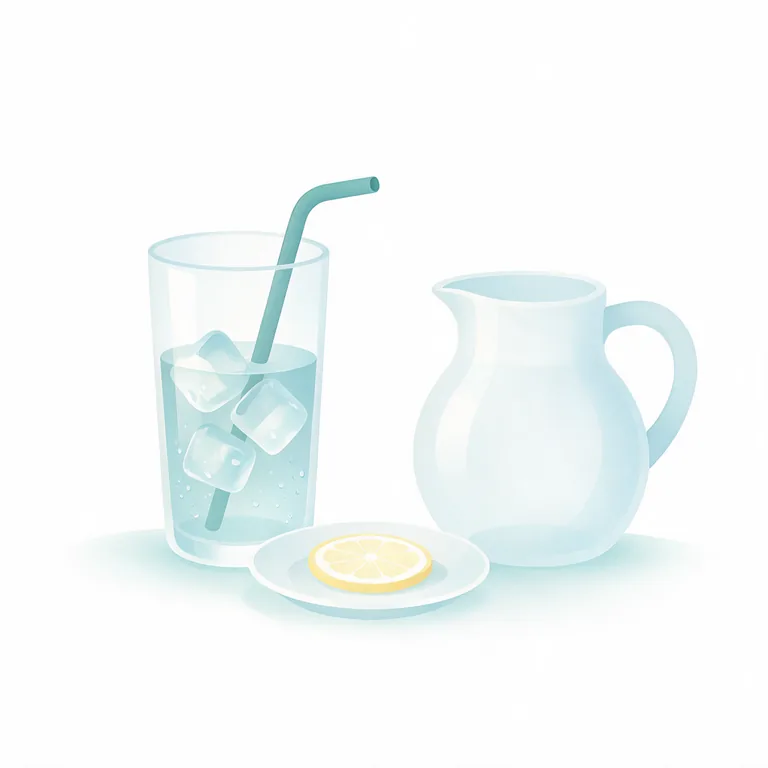
Chill the bowel-cleansing drink, sip it through a straw, and take a sweet or a slice of lemon between sips. Cold liquid tastes milder, and a straw puts the drink toward the back of the tongue. Finish the full dose, because a partly finished prep is the usual reason for a repeat test.
What can I eat and drink beforehand?
Follow the diet in your written instructions, which usually means low-fibre food the day before and clear fluids as the prep begins. Keep drinking the clear fluids on your list during the prep, because they keep you hydrated and prevent dizziness.
- Clear fluids: water, clear broth, and the drinks your instructions allow
- Avoid red or purple drinks, which can look like blood in the bowel
- Tell the clinic about blood thinners, diabetes medicines and iron tablets before the day
How do I know the prep has worked?
The prep has worked when what you pass is clear or pale yellow liquid with no solid pieces. Expect frequent trips to the toilet for several hours. If the output is still brown or cloudy, or you cannot keep the drink down, call the clinic before you travel.
What should I arrange for the day itself?
Arrange an adult to take you home and stay with you for a while, because sedation affects judgement for the rest of the day. Do not drive, operate machinery, drink alcohol or make important decisions for 24 hours. Most patients eat normally after the test and return to usual activity the following day.

Sources
Medically reviewed by Dr Wong Nan-Yaw
MBBS (NUS), FRCS (Edinburgh). 33 years in medicine (since 1993), 23 years as an accredited specialist (since 2003) and 18 years in private practice at Mount Elizabeth (since 2008). Last reviewed 6 November 2026.
How this article is prepared
Statements are checked against the sources listed above. This article is general education and does not replace a consultation. It is reviewed and updated when guidance changes. In an emergency, call 995.