Haemorrhoids
Haemorrhoids, also called piles, are swollen veins in and around the back passage that can bleed, itch, or prolapse. Most cases settle with diet changes and simple treatment, but persistent bleeding or lumps that push out may need a procedure. Dr Wong Nan-Yaw offers office banding through to surgery, chosen to match the grade of your piles and how much they affect you.
What is haemorrhoids?
Haemorrhoids, or piles, are cushions of tissue and blood vessels in the anal canal that have swollen and started to cause symptoms. Internal piles sit inside and often cause painless bleeding or a lump that comes down. External piles sit under the skin around the anus and can be sore or itchy.
Haemorrhoids are cushions of tissue containing blood vessels that sit inside the anal canal. They only become a problem when they swell and stretch. Internal haemorrhoids form above the anal opening and usually cause painless bleeding or a lump that pushes down. External haemorrhoids form near the skin and can be itchy or painful, especially if a blood clot forms inside. They are very common and are not cancer, but bleeding from the bowel should always be checked because other conditions can cause the same symptom.
What causes haemorrhoids?
Piles are caused mainly by pressure and straining. Common triggers are constipation, hard stools, long periods on the toilet, pregnancy, heavy lifting and the natural weakening of the supporting tissue with age. More fibre and enough water lower the pressure and often stop piles from returning.
- Straining during bowel movements, often from constipation
- Hard stools and not enough fibre or water
- Pregnancy and the pressure of carrying a baby
- Long periods spent sitting on the toilet
- Heavy lifting and repeated pressure in the abdomen
- Ageing, as the supporting tissue weakens over time
What are the symptoms?
The most common sign of piles is bright red blood on the toilet paper or in the bowl. Other symptoms are a lump that comes down during a bowel movement, itching, soreness and mucus. Piles are usually painless unless a clot forms in an external pile, which causes a hard, tender lump.
- Bright red blood on the toilet paper or in the bowl
- A lump that comes down during a bowel movement
- Itching and soreness around the anus
- A painful hard lump if a clot forms
- Mucus and a feeling the bowel is not fully emptied
When should I see a colorectal surgeon?
See a doctor for any new rectal bleeding so the cause is confirmed, because piles and bowel cancer can both cause blood. Seek same-day care for dark or black stools, blood mixed through the stool, weight loss, a change in bowel habit, or dizziness.
The warning signs below need prompt attention.
- Dark or black stools rather than bright red blood
- Blood mixed through the stool
- Weight loss, a change in bowel habits, or ongoing pain
- Dizziness or signs of anaemia
- Symptoms that do not improve despite treatment
How is it diagnosed?
Piles are diagnosed by discussing your symptoms, examining the anal area, a gentle rectal examination and a short look inside with a small scope. If the bleeding needs fuller investigation, especially from age 50 or with risk factors, a colonoscopy is arranged to check the rest of the bowel.
- A talk about your symptoms and bowel habits
- Examination of the anal area
- A digital rectal examination
- A short look inside with a proctoscope or anoscope
- Colonoscopy when bleeding needs fuller investigation, especially from age 50 or with risk factors
What do the grades of internal piles mean?
Internal piles are graded from I to IV by how far they come down. Grade I piles bulge inside but do not come out. Grade II come out on straining and go back by themselves. Grade III need pushing back by hand, and grade IV stay outside. The grade helps guide treatment.
Grading only applies to internal piles, which start above the dentate line, the point inside the anal canal where the lining changes and feeling becomes sharper. External piles sit below this line under sensitive skin, which is why they can be painful when a clot forms, while internal piles are usually painless unless they prolapse.
Surgical societies point out that the classic grading system does not measure how much bleeding, discomfort or soiling affects your daily life, so your symptoms and preferences count as much as the grade when choosing treatment.
- Grade I: bleeding is the usual symptom and nothing comes out. Diet changes, fibre and stool softeners are the first step, with clinic treatments such as banding if bleeding continues
- Grade II: a lump comes out on straining and slips back on its own. Banding in the clinic is a common treatment when simple measures have not helped
- Grade III: the lump has to be pushed back by hand. Banding can help some people, while others do better with an operation such as haemorrhoidectomy or haemorrhoidal artery ligation
- Grade IV: the pile stays outside and cannot be pushed back. Surgery is usually considered, because clinic treatments are less likely to work
What home care helps piles?
Soft, easy-to-pass stools are the foundation of treating piles. That means enough fibre from food or a supplement, enough fluid, answering the urge to go, and not straining or sitting on the toilet for long. Warm baths, simple painkillers and short courses of pharmacy creams can ease symptoms while this takes effect.
A practical fibre target used in dietary guidelines is about 14 grams for every 1,000 calories you eat, which works out to roughly 28 grams a day on a 2,000-calorie diet. Most people fall short of this. Build up gradually over a couple of weeks so that bloating settles, and drink more as you add fibre, because fibre works best when the stool also holds water.
In studies pooled by surgical societies, regular fibre reduced the risk of continued bleeding and of symptoms not improving, though it has less effect on prolapse, pain or itching. Home care is therefore most useful for early piles and for preventing piles from coming back after any procedure.
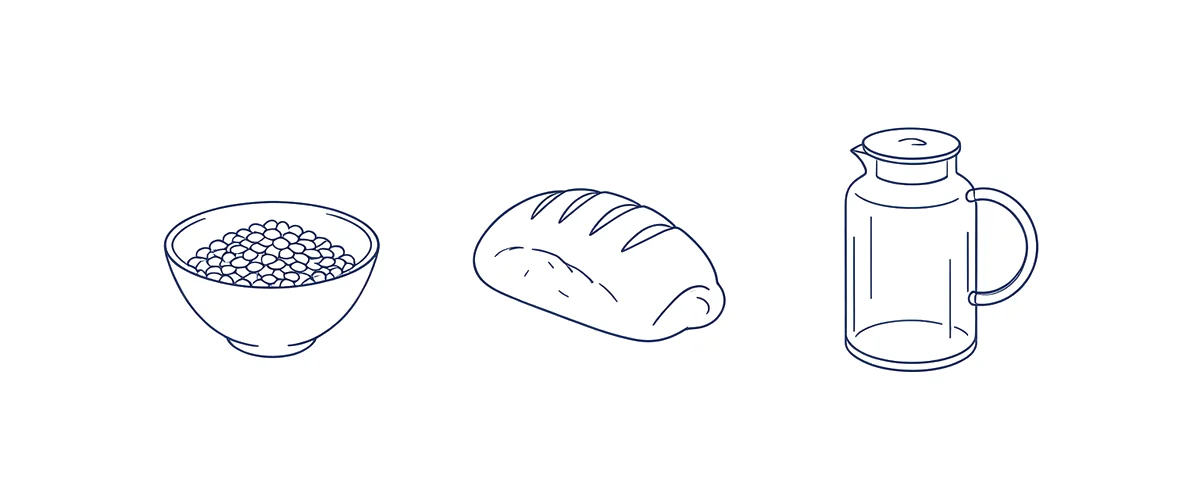
- Add fibre-rich foods such as wholegrain bread and cereals, oats, beans and lentils, fruit eaten with the skin, and vegetables, or take a fibre supplement such as psyllium
- Drink water and other non-alcoholic fluids through the day, and cut down on alcohol and caffeine if they leave you constipated
- Go when you feel the urge, avoid pushing hard, and do not read or use your phone on the toilet, as long sitting adds pressure
- Aim for a stool that is soft and formed, rather than hard pellets or loose watery stool, since both constipation and diarrhoea can aggravate piles
- Sit in a shallow warm bath several times a day to ease pain and itching, and pat rather than rub the area dry
- Pharmacy creams and suppositories can ease mild symptoms; see a doctor if they have not helped after about a week or cause soreness or a rash
- Avoid painkillers containing codeine, which cause constipation, and avoid ibuprofen while piles are bleeding unless a doctor has advised it
How do banding, stapling, artery ligation and haemorrhoidectomy compare?
Each piles procedure trades comfort against how long the result lasts. Banding is quick and done in the clinic but may need repeating. Haemorrhoidal artery ligation and stapling hurt less than traditional surgery but piles come back more often. Excisional haemorrhoidectomy is the most painful option but has the lowest recurrence for large piles.
The HubBLe randomised trial in the United Kingdom compared haemorrhoidal artery ligation with rubber band ligation for grade II and III piles. Artery ligation had fewer recurrences at one year, but repeat banding achieved similar results, and banding caused less pain and cost less.
The eTHoS trial compared stapled haemorrhoidopexy with traditional excisional haemorrhoidectomy in 777 patients. Stapling was less painful in the first weeks, but after six weeks recurrence, symptoms, repeat procedures and quality of life favoured the traditional operation. Which option suits you depends on your grade, symptoms, health and how you weigh early comfort against durability.
- Rubber band ligation: a small band is placed on an internal pile in clinic, and the banded tissue drops off within about a week to ten days. It suits grade I to III piles. It is generally avoided in people with a bleeding tendency and in some other situations, so tell the clinic about blood thinners
- Sclerotherapy and infrared coagulation: an injection or infrared light makes the pile scar and shrink. They are options for smaller bleeding piles, although results can fade over time
- Haemorrhoidal artery ligation, sometimes Doppler-guided, with or without a lifting stitch (mucopexy): stitches reduce the blood supply and lift the pile without cutting skin. Recovery is usually quicker than excision, but recurrence is higher
- Stapled haemorrhoidopexy: a stapling device lifts prolapsing internal piles back into place. Early pain is lower than with excision, but symptoms return more often
- Excisional haemorrhoidectomy: the piles are cut out under anaesthesia. It is the usual choice for large grade III and IV piles and for bulky external piles, and has the lowest recurrence, at the cost of more pain in the first weeks
- Vessel-sealing haemorrhoidectomy (often known by the device name LigaSure): the piles are removed with an energy device that seals as it cuts. A Cochrane review of 12 trials found less pain in the first week and an earlier return to work than conventional diathermy, with similar complications, although long-term recurrence was less well studied
What is laser treatment for piles, and does it work?
Laser haemorrhoidoplasty, sometimes called laser haemorrhoidectomy, uses a thin laser fibre placed inside the pile to shrink it without cutting tissue out. Studies show less pain, less bleeding and a faster return to normal activity than traditional surgery. Piles can still come back, long-term data are limited, and it is mainly used for grade II and III piles.
In laser haemorrhoidoplasty, a small laser fibre is passed into the pile and the energy shrinks and scars it from the inside, so little or no tissue is removed. It can be done under local, regional or general anaesthesia, often as day surgery. It is a different operation from laser-assisted excision, where the laser is used as a cutting tool.
A 2022 meta-analysis of 12 studies, six of them randomised trials with 1,824 patients, compared laser haemorrhoidoplasty with traditional excisional haemorrhoidectomy. Laser treatment caused less pain in the first week, less significant bleeding and less narrowing of the anal canal, and patients returned to normal activity about nine days sooner. Recurrence was not clearly different, but a painful clot in the pile (anal thrombosis) was more common after laser treatment. Follow-up in these studies averaged under a year. A later five-year randomised trial found recurrence rates in the same range for laser treatment, excision and a lifting-stitch procedure, with no statistically significant difference between them.
Comparisons of laser treatment with stapling and rubber band ligation are fewer and smaller, and their results are mixed, so it is not yet clear that laser treatment lasts longer than the other options. Singapore's MOH table of surgical procedures has no separate entry for laser haemorrhoidoplasty, so how it is coded for MediSave and insurance depends on the procedure performed. The clinic can check your coverage before you decide.
- Best evidence is for grade II and III internal piles that bleed or prolapse and have not settled with home care or banding
- Not suitable if you have an abscess, a fistula or active inflammation of the rectum, which need treating first
- Grade IV piles, large external piles and skin tags are usually better treated by excision, so ask whether laser treatment is right for your type of piles
- Recovery is usually shorter and less painful than excision, but you still need soft stools, fluids and fibre, and some bleeding or swelling is normal for a few days
- Call the clinic for heavy bleeding, fever, severe pain or being unable to pass urine after any piles procedure
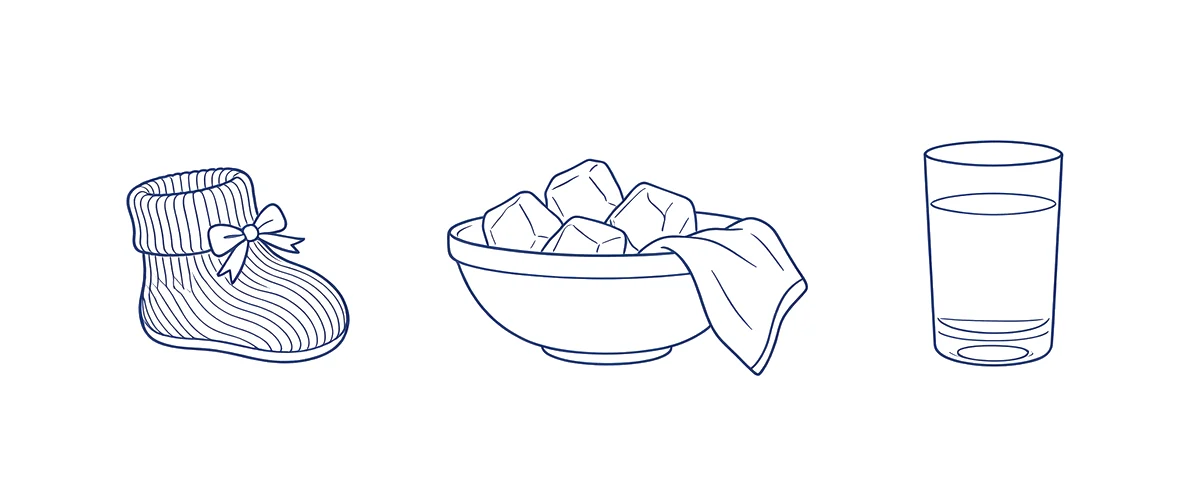
What about piles in pregnancy and after childbirth?
Piles are common in pregnancy, especially in the last three months and the first month after birth, because of pressure from the womb, hormonal changes and constipation. Treatment focuses on soft stools, warm baths and gentle hygiene. Most symptoms settle after delivery, and only a few women need a procedure.
There is little safety data for many pile medicines in pregnancy, so check with your doctor, midwife or pharmacist before using any cream or tablet. Clinic treatments such as banding are generally not offered during pregnancy. A very painful clotted external pile can, where needed, be removed under local anaesthetic, and in rare cases surgery is considered if bleeding is heavy.
- Eat plenty of fibre and drink enough water to keep stools soft and regular
- Avoid standing or sitting for long periods, and keep gently active to help with constipation
- Hold a cloth wrung out in iced water against painful piles for relief
- Clean with moist toilet paper rather than dry paper, and pat the area dry
- Mention piles at your antenatal or postnatal visits; bleeding should still be checked, not assumed to be piles
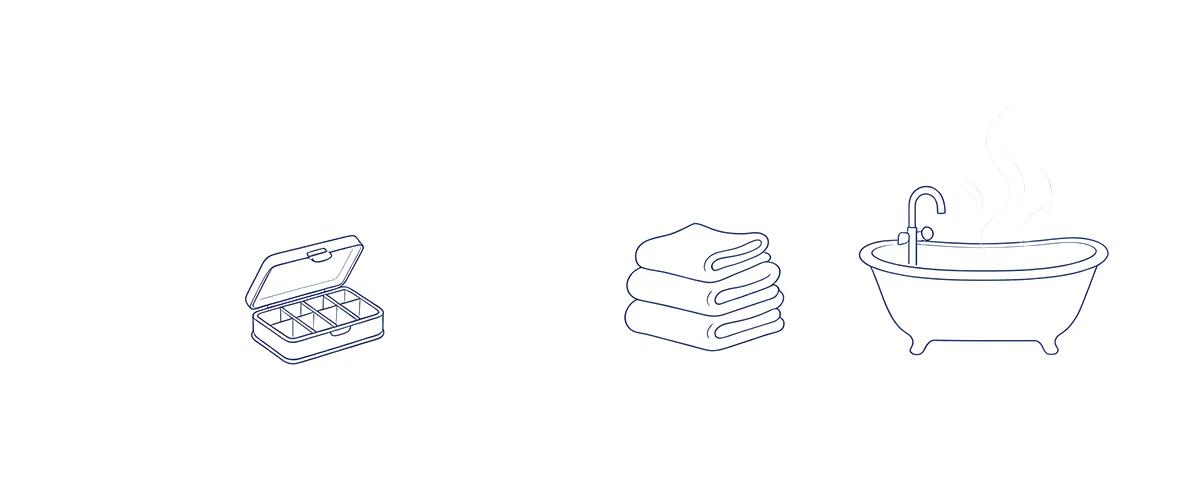
What should I expect after piles surgery?
Some discomfort is expected after piles surgery, particularly after excisional haemorrhoidectomy, and the first bowel movements are often the hardest part. Pain is managed with regular painkillers, stool softeners and warm baths. A little bleeding is common. Heavy bleeding, fever, worsening pain or being unable to pass urine needs urgent review.
Pain after stapling or artery ligation is usually milder and shorter than after excision, which is one reason these options are chosen for some patients. Whatever the operation, keeping the stool soft protects the healing area and makes the first weeks easier, and the same habits lower the chance of piles returning later.
- Take the painkillers you are given on a regular schedule for the first days rather than waiting for pain to build
- Use the prescribed stool softener or laxative so that you do not strain, and keep up fibre and fluids
- Warm baths several times a day, especially after a bowel movement, ease spasm and keep the area clean
- Expect some spotting of blood and discharge; heavier bleeding can occasionally happen around a week after surgery
- Difficulty passing urine in the first hours after surgery is a recognised problem, so tell the nurses early if you cannot go
- Seek urgent help for heavy bleeding or clots, fever, pain that keeps getting worse, or being unable to pass urine

When is rectal bleeding not caused by piles?
Piles are the most common cause of bright red bleeding, but they are not the only one. Anal fissures, inflammatory bowel disease, diverticular disease, abnormal blood vessels in the bowel, polyps and bowel cancer can all bleed. That is why new bleeding should be examined, and why colonoscopy is advised for some people.
Surgical guidelines advise that people with rectal bleeding should have the rest of the bowel checked when there are features that raise concern, rather than putting the bleeding down to piles. In a young, otherwise healthy person whose bleeding clearly comes from piles, close follow-up may be reasonable instead.
- Pain and bleeding that are worse when passing stool can suggest an anal fissure, a small tear in the lining, rather than piles
- Bleeding with ongoing diarrhoea or mucus can come from inflammatory bowel disease such as ulcerative colitis or Crohn's disease
- Colonoscopy is usually recommended if you are 50 or older, or have a family history of bowel cancer or polyps
- It is also recommended with a change in bowel habit, weight loss, iron deficiency anaemia or a positive stool test for blood
- Dark or black stools, or blood mixed through the stool, suggest bleeding from higher up and need prompt assessment
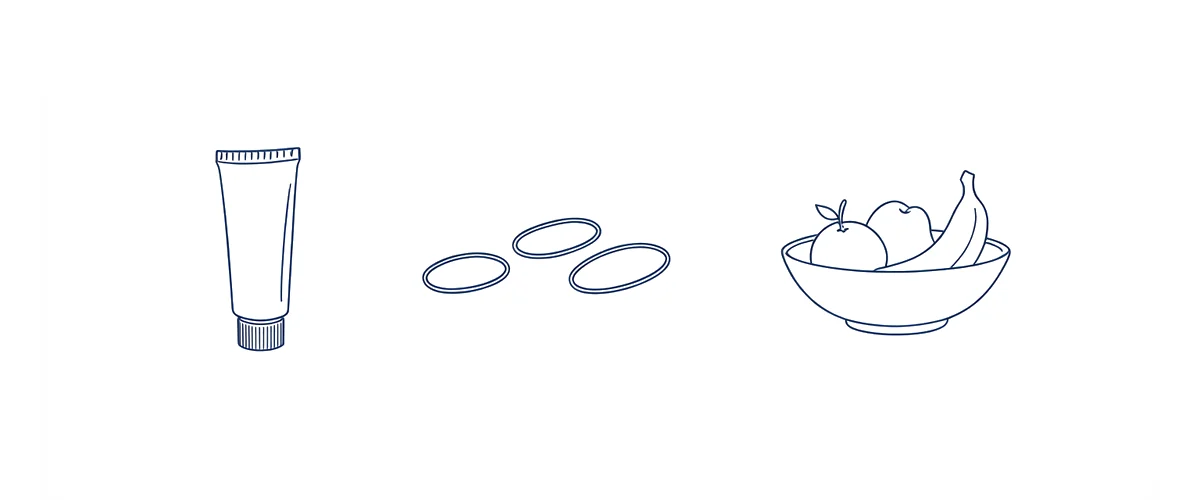
How is haemorrhoids treated?
Most piles are treated without surgery. Fibre, fluids and creams settle early piles, and rubber band ligation in the clinic treats many internal ones. Surgery such as haemorrhoidectomy or stapled haemorrhoidopexy is kept for large, prolapsing or persistent piles that have not responded to simpler treatment.
- Fibre, fluids, and avoiding straining to keep stools soft
- Creams and medication to ease symptoms
- Rubber band ligation, a quick office procedure for internal piles
- Sclerotherapy or other non-removal techniques
- Stapled haemorrhoidopexy or transanal haemorrhoidal dearterialisation
- Laser haemorrhoidoplasty, which shrinks internal piles from the inside without cutting them out
- Excisional haemorrhoidectomy for large or external piles
Is it covered by MediSave or insurance?
Dr Wong is a panel doctor under Alliance Medinet. Before your procedure, he can request pre-authorisation from Prudential and AIA, and the clinic writes in to other insurers in the same way. Prudential patients can claim when Dr Wong operates at Aptus Surgery (Paragon), a day surgery centre listed on Prudential's PRUPanel Connect. Pre-authorisation is decided by the insurer and is not a guarantee of payment. Eligible charges may be paid from MediSave within the limits for your procedure, and any uncovered balance is paid in cash.
How it works, step by step: fees, MediSave and insurance.
What is recovery like?
Office banding Back to normal in 1 to 2 days
Some cramping and minor bleeding possible
Day surgery About 1 to 2 weeks
Most people return to light work within a week
Haemorrhoidectomy 2 to 4 weeks
The first week is the most uncomfortable
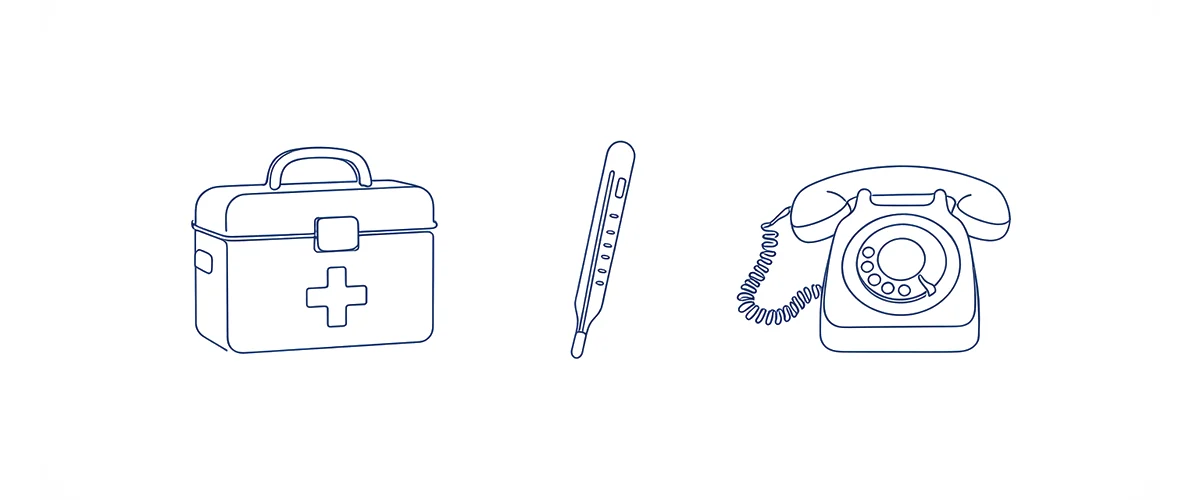
What are the risks and complications?
Risks of piles treatment include pain, bleeding about a week after treatment, short-term difficulty passing urine, infection, and recurrence if bowel habits do not change.
- Pain after surgery, controlled with medication and warm baths
- Bleeding, occasionally around a week after a procedure
- Difficulty passing urine for a short time
- Infection, which is uncommon
- Recurrence if bowel habits do not change
How much does it cost in Singapore?
Dr Wong’s fees are guided by the Ministry of Health’s benchmark. The figure shown is approximately the upper end of the benchmark for a routine case. Your own fee depends on how complex your case is.
| Procedure | MOH code | Surgeon’s fee, excluding GST | Including 9% GST | MediSave surgical limit |
|---|---|---|---|---|
| Haemorrhoidectomy | SF836A | approximately $3,800 | approximately $4,142 | $1,120 |
| Stapled haemorrhoidectomy | SF837A | approximately $4,200 | approximately $4,578 | $1,390 |
| Transanal haemorrhoidal dearterialisation (THD) | SF721A | approximately $3,400 | approximately $3,706 | $1,120 |
| Removal of external anal tags | SF838A | approximately $1,200 | approximately $1,308 | $420 |
Source: Ministry of Health, Bills and Fee Benchmarks, read 5 November 2026. Surgeon’s fees only. Anaesthetist, hospital, medicines and tests are billed separately. Figures are approximate and use the highest MOH benchmark figure for each procedure. The benchmark is a reference, not a cap. See fees, MediSave and insurance for the full picture.

Medically reviewed by Dr Wong Nan-Yaw
MBBS (NUS), FRCS (Edinburgh). 33 years in medicine (since 1993), 23 years as an accredited specialist (since 2003) and 18 years in private practice at Mount Elizabeth (since 2008). Last reviewed 6 November 2026.
Frequently asked questions
Are haemorrhoids a sign of cancer?
No, they are separate and very common, but both can cause bleeding. That is why any new bleeding should be examined rather than assumed to be piles.
Do I need an operation?
Many people never need surgery. Lifestyle changes and office banding are enough for most early piles. Surgery is reserved for larger or troublesome cases.
Does band ligation hurt?
There can be a brief tugging sensation and some cramping, but it is usually well tolerated and takes only a few minutes in the clinic.
Can they come back?
They can return if constipation and straining continue. Keeping stools soft with fibre and water is the best way to prevent this.
How much fibre should I aim for?
Dietary guidelines suggest about 14 grams of fibre for every 1,000 calories, roughly 28 grams a day on a 2,000-calorie diet. Increase it gradually and drink more fluid as you do.
Is stapling or artery ligation better than traditional surgery?
They usually hurt less in the first weeks, but large trials found piles come back more often than after traditional haemorrhoidectomy. The right choice depends on your grade, symptoms and priorities.
Can I have banding while pregnant?
Clinic procedures such as banding are generally not done during pregnancy. Soft stools, warm baths and gentle hygiene are the mainstay, and most symptoms settle after delivery.
Can piles turn into cancer?
No. Piles are swollen blood vessels and do not become cancer. The concern is that bowel cancer can also cause bleeding, so bleeding should be checked rather than assumed to be piles.
Why do I need to stop straining if the piles have been treated?
Treatment removes or shrinks the existing piles but does not change the pressure that caused them. Soft stools and short toilet visits lower the chance of new piles forming.
What should I do if I see blood?
Arrange a consultation to confirm the cause. Seek prompt care if the blood is dark, mixed with the stool, or comes with weight loss or dizziness.
References and further reading
- MOH HealthHub
- Singapore Medical Council
- MediSave MOH
- PubMed
- NHS: Piles (haemorrhoids)
- Cochrane review: Conventional versus LigaSure haemorrhoidectomy (2009)
- NHS: Piles in pregnancy
- NIDDK: Eating, diet and nutrition for haemorrhoids
- StatPearls (NCBI Bookshelf): Haemorrhoid grading and management
- Techniques in Coloproctology: SICCR consensus on haemorrhoidal disease (2020)
- Health Technology Assessment: eTHoS trial, stapled vs excisional surgery (2017)
- International Journal of Colorectal Disease: Laser haemorrhoidoplasty versus excisional haemorrhoidectomy, meta-analysis (2022)
- Diseases of the Colon and Rectum: Five-year randomised trial of excision, laser haemorrhoidoplasty and mucopexy (2026)
- Techniques in Coloproctology: Delphi consensus on laser haemorrhoidoplasty (2024)
- MOH fee benchmark SF836A: Haemorrhoidectomy
- CPF: Using your MediSave savings
Looking after yourself at home
Related
Colonoscopy
Colonoscopy for screening and investigation by Singapore colorectal surgeon Dr Wong Nan-Yaw. Bowel prep, what to expect, cost, recovery and MediSave.
Anal fistula
Anal fistula diagnosis and surgery by colorectal surgeon Dr Wong Nan-Yaw in Singapore, with recovery, cost and MediSave information.
Perianal abscess
Perianal abscess drainage and care by colorectal surgeon Dr Wong Nan-Yaw in Singapore, with recovery, cost and follow-up for fistula risk.
Colon polyps
Colon polyp detection and removal by colorectal surgeon Dr Wong Nan-Yaw, with surveillance guidance, cost and MediSave information.