Piles in pregnancy and after childbirth: causes, safe relief and when to get help
By Dr Wong Nan-Yaw, MBBS (NUS), FRCS (Edinburgh). Published . 6 min read.
Piles are common in pregnancy, especially in the last three months and soon after birth, because hormones slow the bowel and the growing womb raises pressure on veins around the anus. Most improve after delivery (HealthHub). Soft stools, no straining and checked creams are the first steps. Dr Wong Nan-Yaw, a colorectal surgeon, assesses piles that do not settle.
Why do piles happen in pregnancy?
Two changes combine. Pregnancy hormones, mainly progesterone, slow the movement of the bowel and make constipation more likely, and iron supplements can add to it. At the same time, the growing womb raises pressure inside the abdomen. HealthHub names hormonal changes and this extra pressure as the causes of piles in pregnancy.
In pregnancy, the NHS lists symptoms of piles as itching, aching, soreness or swelling around the anus, pain when passing stool with a mucus discharge afterwards, a lump hanging outside the anus, and bright red bleeding after a bowel movement.
Piles are swollen blood vessels inside or around the anus. Anyone can get them, not only pregnant women (NHS). Constipation, straining, sitting or standing for long periods and a previous history of piles all make them more likely.
How common are piles during pregnancy and after birth?
They are common. In a study that followed 280 pregnant women in Lithuania until one month after delivery, 44% developed piles or an anal fissure. Most of these problems began in the last three months of pregnancy or shortly after the birth, and very few started in early pregnancy (Poskus and colleagues, BJOG, 2014).
A later study by the same research group followed 190 women and found that about 35% developed piles after delivery. In that study, eating fruit and vegetables daily was linked with a lower chance of problems around the anus (Sabonyte-Balsaitiene and colleagues, 2024).
The first study found that constipation, a past history of piles or fissures, pushing for more than 20 minutes during delivery, and a baby weighing more than 3.8 kg were linked with a higher chance of these problems. It was one study in one country, so the figures are a guide rather than a prediction for any one person.
What can I safely do to ease piles in pregnancy?
Start with measures that are safe throughout pregnancy. Keep stools soft with fibre and plenty of water, move regularly, avoid standing or sitting for long periods, and do not strain. A cloth wrung out in iced water eases pain. Clean gently with moist toilet paper and pat rather than rub (NHS).
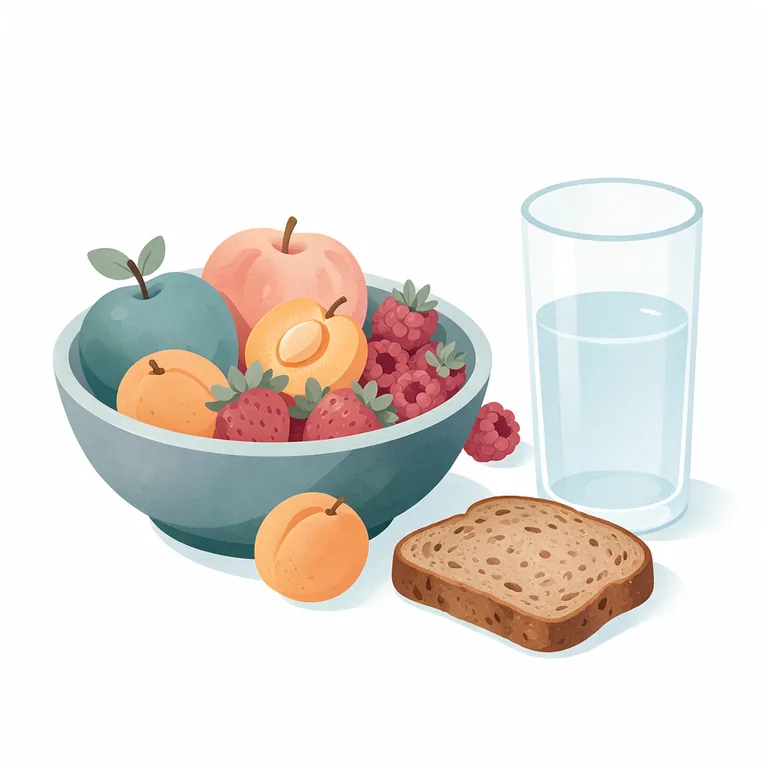
For the toilet itself, the NHS suggests resting your feet on a low stool so your knees are above your hips, keeping to a regular time, and not delaying when you feel the urge. Fruits such as apples, apricots, grapes, raspberries and strawberries can help soften stools. Loose cotton underwear and a warm sitz bath can ease soreness (HealthHub).
The NHS notes that the diet and lifestyle measures for constipation are safe to try in pregnancy. Soothing creams treat the symptoms rather than the cause, and the NHS advises checking with your doctor, midwife or pharmacist before you use one, because not every product suits pregnancy.
- Fibre from wholemeal bread, fruit, vegetables, legumes, nuts and seeds
- Plenty of water, and regular gentle exercise such as walking or swimming
- Go when you feel the urge, and avoid long sessions on the toilet
- Hot or cold compresses for discomfort
- Check with your doctor, midwife or pharmacist before using any cream or medicine
What about piles and fissures after childbirth?
Piles can appear or worsen soon after delivery: in the Lithuanian study, about a third of cases began after the birth. A tear in the anal lining, called a fissure, is also more likely after a vaginal birth. A fissure causes a sharp pain when passing stool and a burning ache afterwards, rather than the painless bleeding typical of piles.
The NHS lists being pregnant or having given birth vaginally among the things that make a fissure more likely. Constipation is common after birth too, especially with pain relief that contains codeine, which the NHS advises avoiding for piles because it constipates. Ask which pain relief is suitable if you are breastfeeding.
Keeping stools soft is the main treatment for both. Most fissures heal on their own; one that is not improving after 7 days of home care should be checked (NHS).
When should I see a doctor about piles in pregnancy or after birth?
See a doctor if symptoms do not improve within about 7 days of home care or are getting worse, if you bleed apart from passing stool, or notice a hard lump, a bowel habit change or weight loss (HealthHub). Get urgent advice for fever or pus, and emergency care for heavy bleeding or severe pain (NHS).
HealthHub notes that piles in pregnancy usually improve after delivery. Piles that keep causing trouble afterwards can be assessed and treated as at any other time, with clinic treatments such as banding or, less often, surgery (NHS).
The NHS advises urgent help if piles come with a very high temperature, feeling hot, cold or shivery and generally unwell, or pus leaking from the area. Go to emergency care for bleeding that will not stop, a lot of blood or large clots, or severe pain.
Tell the doctor exactly where any bleeding seems to come from and when it happens. If you are unsure, it is reasonable to be examined rather than assume it is piles.
Sources
- NHS: Piles in pregnancy
- HealthHub: Pregnancy health advice and tips
- Poskus T et al. Haemorrhoids and anal fissures during pregnancy and after childbirth: a prospective cohort study. BJOG 2014 (PubMed)
- HealthHub: Piles
- NHS: Piles (haemorrhoids)
- NHS: Anal fissure
- Sabonyte-Balsaitiene Z et al. Incidence and risk factors of perianal pathology during pregnancy and postpartum period. J Clin Med 2024 (PubMed)

Medically reviewed by Dr Wong Nan-Yaw
MBBS (NUS), FRCS (Edinburgh). 33 years in medicine (since 1993), 23 years as an accredited specialist (since 2003) and 18 years in private practice at Mount Elizabeth (since 2008). Last reviewed 6 November 2026.
How this article is prepared
Statements are checked against the sources listed above. This article is general education and does not replace a consultation. It is reviewed and updated when guidance changes. In an emergency, call 995.