How much does a gastroscopy cost in Singapore?
By Dr Wong Nan-Yaw, MBBS (NUS), FRCS (Edinburgh). Published . 5 min read.
A doctor's fee of approximately $1,100 before GST, or approximately $1,199 with 9% GST, is about the upper end of the Ministry of Health benchmark for a diagnostic gastroscopy, with or without biopsy (MOH code SF701I). The final fee depends on the case. The typical total private day-surgery bill in 2023 was $3,079 including GST. Dr Wong Nan-Yaw's colorectal and general surgery clinic explains your own estimate beforehand.
What does the MOH fee benchmark for gastroscopy include?
MOH publishes separate reference benchmarks for the doctor performing the gastroscopy, the anaesthetist if one is needed, and the private hospital or day surgery centre. They describe a reasonable fee for a routine, typical case, and the figures below are approximately the upper end of each. They are a guide for comparing quotes, not a cap and not a quote, and they apply to private hospitals and clinics only.
| Part of the bill (SF701I) | Before GST | With 9% GST |
|---|---|---|
| Doctor's fee for the gastroscopy | approximately $1,100 | approximately $1,199 |
| Anaesthetist's fee | approximately $800 | approximately $872 |
| Hospital fees | approximately $1,700 | approximately $1,853 |
| Doctor's inpatient attendance, per day (if admitted) | approximately $420 | approximately $450 |
MOH benchmark figures for a gastroscopy (SF701I), before GST (approximate)
- Doctor's fee for the gastroscopyapproximately $1,100
- Anaesthetist's feeapproximately $800
- Hospital feesapproximately $1,700
- Doctor's inpatient attendance, per day (if admitted)approximately $420
The benchmark for hospital fees covers items billed by the hospital or day surgery centre rather than by doctors, such as room charges and the use of surgical facilities and equipment (MOH). The anaesthetist's fee applies only if an anaesthetist is involved.
Source: Ministry of Health, SF701I (upper GI endoscopy with or without biopsy), read 2 November 2026. The figures are separate and do not simply add up to a total bill. MOH calls the doctor's fee the surgeon fee, and notes that it includes sedation fees when the doctor performing the procedure gives the sedation.
What do people actually pay for a gastroscopy?
MOH also publishes typical bills, which are the median of actual bills including GST, before insurance or MediSave. For SF701I in 2023, the typical private-hospital day-surgery bill was $3,079, with half of bills between $2,688 and $3,659. The typical subsidised public day-surgery bill was $400, and unsubsidised public was $1,453.
| Setting (day surgery, 2023 bills) | Typical bill | Middle half of bills |
|---|---|---|
| Private hospitals | $3,079 | $2,688 to $3,659 |
| Mount Elizabeth Hospital | $2,906 | $2,505 to $3,326 |
| Public hospitals, unsubsidised | $1,453 | $1,225 to $1,510 |
| Public hospitals, subsidised | $400 | $276 to $576 |
Actual day-surgery bills for a gastroscopy in 2023
- Private hospitals$3,079 typical, middle half $2,688 to $3,659
- Mount Elizabeth Hospital$2,906 typical, middle half $2,505 to $3,326
- Public hospitals, unsubsidised$1,453 typical, middle half $1,225 to $1,510
- Public hospitals, subsidised$400 typical, middle half $276 to $576
Source: Ministry of Health, SF701I hospital bill information, based on bills from 1 January to 31 December 2023, read 2 November 2026. Amounts include GST and are after government subsidy for public hospitals. Inpatient stays cost considerably more, because ward charges are added: the typical private inpatient bill for the same procedure in 2023 was $10,721.
What makes a gastroscopy cost more?
Complexity moves the fee. MOH notes that the higher end of the doctor's fee for SF701I may reflect altered anatomy, more biopsies, or biopsies in difficult locations. Treatment during the scope, such as removing a polyp or a swallowed object, or stopping bleeding, is billed under a different code with a higher benchmark.
For SF700I (upper GI endoscopy with polyp removal, removal of a foreign body, treatment of bleeding or injection of varices), the MOH doctor's fee benchmark is approximately $1,800 before GST, or approximately $1,962 with 9% GST, at about the upper end for a routine case. MOH does not list a hospital fee benchmark for SF700I. MOH notes that fees may exceed the benchmarks in cases of exceptional complexity, and that your doctor should tell you in advance where possible.
- Biopsies, and the laboratory charges for examining them
- Treatment during the scope, which moves the procedure to code SF700I
- Sedation or an anaesthetist
- Day surgery or an inpatient stay, and the ward type
What happens during a gastroscopy?
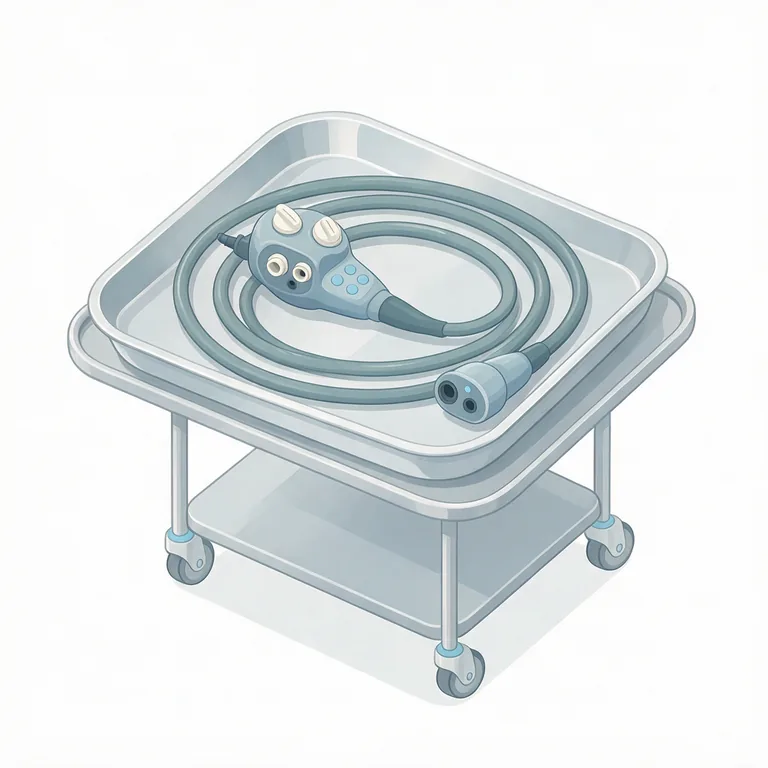
A gastroscopy uses a thin, flexible tube with a camera, passed through the mouth or sometimes the nose, to look at the food pipe, stomach and first part of the small intestine. It usually takes 15 to 45 minutes. You stop eating at least 6 hours beforehand, and a throat spray or sedation makes it more comfortable (NHS).
The NHS lists the reasons for a gastroscopy as finding the cause of symptoms such as indigestion, difficulty swallowing, stomach pain, black and sticky stools or vomiting blood; treating problems such as bleeding or growths; and checking for some cancers of the stomach and food pipe.
Complications are rare but include a reaction to the sedation, bleeding and infection. Seek urgent advice after the test for a high temperature or black, tarry stools, and emergency care for vomiting blood, breathlessness, or severe or worsening chest or stomach pain (NHS).
If you have sedation, arrange for an adult to take you home and stay with you, and avoid driving, alcohol and signing important documents for 24 hours (NHS). A doctor or nurse may explain what was seen before you leave, but biopsy results take longer.
Can I use MediSave or insurance for a gastroscopy?
MediSave can help pay for hospitalisation and day surgery expenses (CPF), and the clinic checks what applies to your procedure. Dr Wong is an Alliance Medinet panel doctor, and he can request pre-authorisation from insurers including Prudential and AIA before the procedure, so you know what your insurer will cover, although pre-authorisation is not a guarantee of payment. Ask for the TOSP code so you can compare quotes.
MOH suggests asking your doctor and hospital, before admission, for the TOSP code, the expected range of doctors' and hospital fees and how they compare with the benchmarks, whether any items are charged by the doctor but billed through the hospital, and a breakdown of other charges. The full process is set out on the fees, MediSave and insurance page.
Sources

Medically reviewed by Dr Wong Nan-Yaw
MBBS (NUS), FRCS (Edinburgh). 33 years in medicine (since 1993), 23 years as an accredited specialist (since 2003) and 18 years in private practice at Mount Elizabeth (since 2008). Last reviewed 6 November 2026.
How this article is prepared
Statements are checked against the sources listed above. This article is general education and does not replace a consultation. It is reviewed and updated when guidance changes. In an emergency, call 995.