Low-fibre (low-residue) diet before a colonoscopy: what to eat and avoid
By Dr Wong Nan-Yaw, MBBS (NUS), FRCS (Edinburgh). Published . 6 min read.
Before a colonoscopy, eat low-fibre food such as white rice, white bread, noodles, eggs, fish, chicken and tofu, and avoid fruit, vegetables, wholegrains, nuts, seeds, beans and red or dark drinks. International guidelines limit the diet to the day before for most people, while some hospitals ask for three days. Dr Wong Nan-Yaw's colorectal clinic gives written instructions.
Why does a low-fibre diet matter before a colonoscopy?
Fibre and food residue leave material in the bowel that the cleansing drink may not fully clear, and it can hide the lining the colonoscopist needs to see. US and European guidelines both recommend a low-fibre diet before colonoscopy as part of bowel preparation, together with a split-dose cleansing drink taken in two parts.
The 2025 US Multi-Society Task Force on Colorectal Cancer defines a bowel preparation as adequate when the colonoscopist can recommend a standard interval for your next test based on what was found. A poorly prepared bowel can mean repeating the test sooner, which is why the diet and the drink both matter.
How many days before the colonoscopy should I start the diet?
Follow the timing in your own instructions, because it varies. The European Society of Gastrointestinal Endoscopy recommends a low-fibre diet on the day before colonoscopy, and the 2025 US Task Force recommends limiting diet restrictions to that day for most people. Sengkang General Hospital in Singapore asks patients to follow a low-residue diet for three days.
The US Task Force gives separate advice for people at higher risk of an inadequate preparation, so a clinic may set a longer diet for some patients. If you are unsure which applies to you, ask the clinic when you book.
On the day of the test, you will be told when to stop eating and when to stop drinking clear fluids. The NHS advises taking the laxatives exactly as instructed, because the colonoscopy may not be possible otherwise.
Timing of the cleansing drink matters too. The European guideline recommends starting the last dose within 5 hours of the colonoscopy and finishing it at least 2 hours before the procedure begins, and both guidelines suggest adding simethicone, an anti-bubble medicine, to the preparation.
Which foods can I eat on a low-residue diet?
Choose refined starches and soft, low-fibre proteins. Sengkang General Hospital's list allows white rice or porridge, white bread, plain biscuits, noodles, idli, putu mayam and rice cereal, with fish, chicken, pork, eggs, prawns, tofu, tau kwa and vegetarian mock meat. Regular portions at normal meal times are fine.
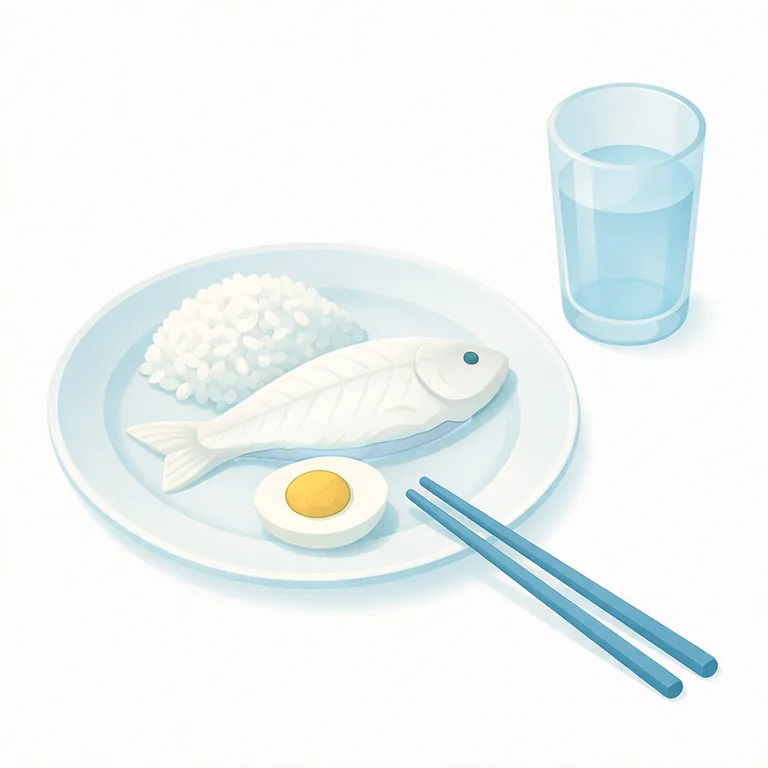
| Food group | Choose | Avoid |
|---|---|---|
| Rice and alternatives | White rice, white porridge, white bread, plain biscuits, noodles, idli, putu mayam, rice cereal | Brown rice or porridge, wholemeal or wholegrain bread and biscuits, chapatti, oats |
| Meat and alternatives | Fish, chicken, pork, eggs, prawns and other shellfish, tofu, tau kwa, vegetarian mock meat | Beef, mutton, tempeh, beans, lentils, nuts, seeds, yoghurt, cheese |
| Fruit and vegetables | None | All fruit and vegetables |
| Drinks | Water, clear soup, light-coloured juice such as apple or pear, colourless soft drinks | Milk, soy milk, yoghurt drinks, cream soups, malted drinks, coffee, tea, grape, prune or tomato juice |
Source: Sengkang General Hospital, diet advice before colonoscopy, read 2 November 2026. Your own clinic's list may differ slightly, and its instructions take priority.
Which foods and drinks should I avoid, and why?
Avoid fibre-rich and seedy foods, which leave more residue in the bowel, and avoid red and dark-coloured drinks. Sengkang General Hospital lists wholegrains, nuts, seeds, beans, all fruit and vegetables, dairy, malted drinks such as Milo and Horlicks, coffee and tea among the items to avoid during the low-residue period.
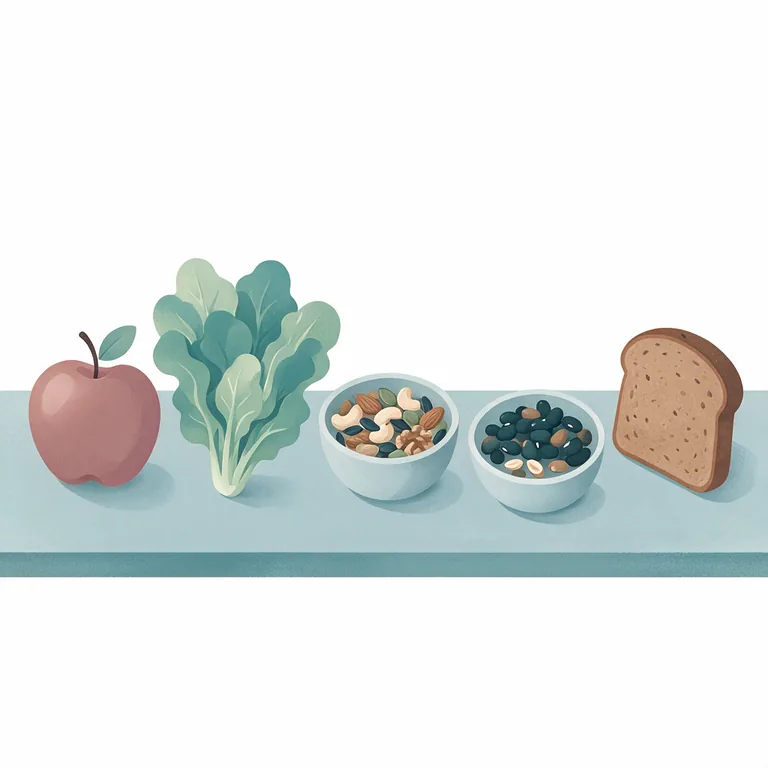
Common local dishes can be adapted. A plain bowl of fish soup with white rice or bee hoon, without the vegetables, fits the list, while a dish heavy with greens, beans or chilli seeds does not. When in doubt, choose the plainer option.
- All fruit and vegetables
- Wholegrains: brown rice, wholemeal bread, oats, chapatti
- Nuts, seeds, beans, lentils and tempeh
- Red meat such as beef and mutton
- Dairy and malted drinks, coffee and tea
- Red or dark drinks, such as grape, prune or tomato juice
What could a day of low-residue meals look like?
A low-residue day can still be three normal meals. Build each one from the allowed list: white bread or plain biscuits with egg for breakfast, a clear fish soup with white rice or bee hoon and no vegetables for lunch, and steamed chicken or tofu with white rice for dinner, with water, clear soup or apple juice to drink.
This example uses only foods on Sengkang General Hospital's allowed list. If your instructions switch you to clear fluids for part of the day, follow that timing instead.
- Breakfast: white bread with a boiled or scrambled egg, or plain rice porridge
- Lunch: clear fish soup with bee hoon or white rice, leaving out the vegetables
- Snack: plain biscuits with water or a light-coloured juice
- Dinner: steamed chicken, fish or tofu with white rice, without greens or chilli seeds
What else should I tell the clinic before my colonoscopy?
Tell the clinic about every medicine you take, and follow its instructions about each one. Ask specifically about blood thinners and diabetes medicines, because these may need a plan for the days of restricted eating. Also mention if a previous bowel preparation did not work well, so the clinic can adjust your plan.
The NHS advises bringing details of your medicines and following the hospital's instructions about them, and letting the hospital know if you are pregnant. Keep drinking the clear fluids allowed in your instructions during the prep so you stay hydrated.
Your clinic's written instructions take priority over any general list, including this one. If something in them is unclear, call before the day rather than guessing.
Sources

Medically reviewed by Dr Wong Nan-Yaw
MBBS (NUS), FRCS (Edinburgh). 33 years in medicine (since 1993), 23 years as an accredited specialist (since 2003) and 18 years in private practice at Mount Elizabeth (since 2008). Last reviewed 6 November 2026.
How this article is prepared
Statements are checked against the sources listed above. This article is general education and does not replace a consultation. It is reviewed and updated when guidance changes. In an emergency, call 995.